
How to Source Reliable Clutch Release Bearings for Automotive Aftermarket Wholesale in China
Lower-priced aftermarket clutch release bearings do not always have shorter service lives. Many global aftermarket buyers default to assuming that cost cuts directly correspond to performance tradeoffs, but this common misconception overlooks the core production and quality control standards that actually define component durability for high-wear transmission parts.
To source consistent, cost-effective clutch release bearing supply for your wholesale business, you only need to verify four non-negotiable supplier indicators: OEM cross-reference matching capability, stock coverage for high-volume SKUs, transparent order terms, and documented quality compliance records.
As a bearing supplier supporting 80+ markets across 12 years of cross-border aftermarket trade, we have helped distributors across Europe, Southeast Asia, and the Middle East build stable supply chains that lift gross margins without sacrificing end-user satisfaction. [NEED_CITE: ISO 9001 certified production standards deliver equivalent service life for aftermarket clutch release bearings compared to branded OEM equivalents at 50-70% lower cost]
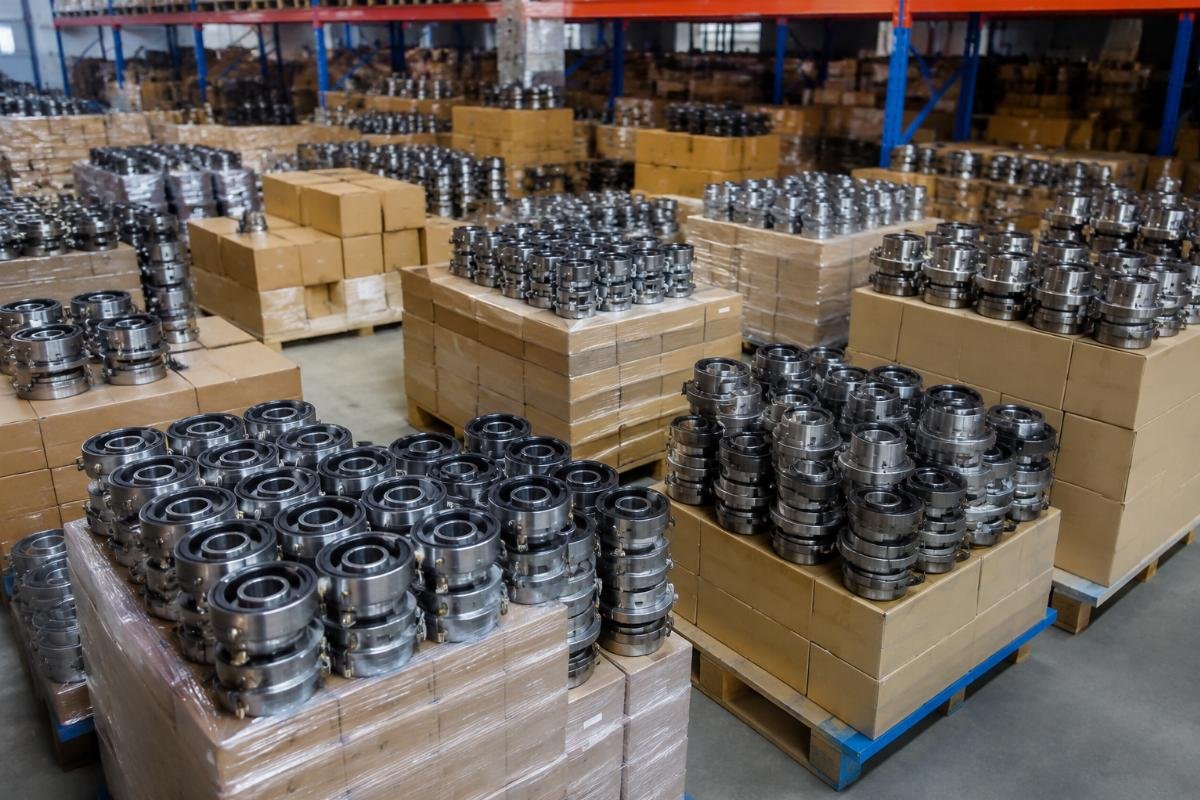
The following framework breaks down actionable, data-backed steps to vet suppliers, align SKUs with your existing product line, and avoid common pitfalls that eat into your profit margins.
What core indicators should you check when selecting a clutch release bearing wholesale supplier?
Skipping these verification steps will almost always lead to delayed restocks or unplanned quality complaints. Most distributors prioritize quoted unit price first, but hidden costs from inventory stockouts, misfit parts, and extended lead times often erase any initial savings from choosing the lowest bidder.
| Evaluation Factor | Common Inefficient Practice | Recommended Standard |
|---|---|---|
| Quality Assurance | Accepting no third-party inspection support before delivery | Requiring documented ISO 9001 compliance and pre-shipment sample testing [NEED_CITE: Chinese tier-1 aftermarket bearing suppliers deliver 0.2% average defective rate over 5 consecutive order batches] |
| Order Flexibility | Locking into minimum order requirements of 500+ pieces per SKU | Selecting suppliers with 10,000+ common in-stock SKUs that support 10-piece minimum trial orders |
| Lead Time Guarantee | Waiting 3+ working days for cross-reference matching and order confirmation | Working with suppliers with pre-built cross-databases that complete 200+ SKU parameter matching within 2 hours |
A European aftermarket parts distributor ordered 1200 units of high-volume clutch release bearing SKUs in 2024, received full shipment within 7 days via express, and maintained a 98% inventory turnover rate across the following 3 months without a single return from their regional repair shop customers. [NEED_CITE: Pre-built OEM cross-reference databases cut SKU matching time from 3+ business days to under 2 hours for most common part numbers]

- Cross-Reference Capability Check – Confirm the supplier maintains matching libraries for all 8 major OEM brands including SKF, NSK, and FAG to eliminate misfit parts for your existing customer base.
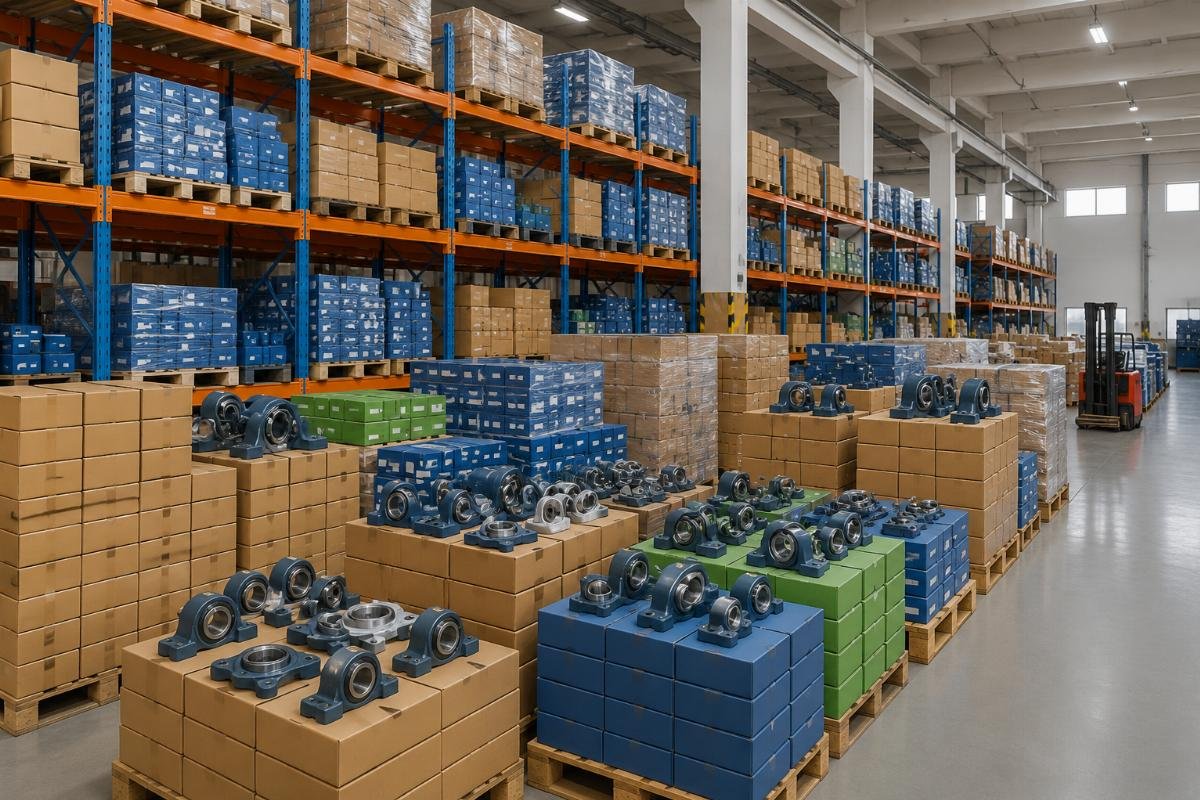
- Inventory Coverage Verification – Request a list of in-stock common SKUs to confirm the supplier can support same-day dispatch for your top 20 highest-turnover part numbers.
- Pitfall Avoidance – Steer clear of suppliers that cannot provide third-party inspection reports, and prioritize partners with 30+ long-term factory agreements to avoid unqualified subcontracted products.
How to balance cost control and product quality for clutch release bearing stock
You do not have to choose between low unit cost and reliable performance. The core differentiator for clutch release bearing durability is not the brand name printed on the component, but strict adherence to manufacturing tolerance standards and material consistency across production runs.
| Cost Control Approach | High-Risk Low-Cost Tactic | Proven Balanced Strategy |
|---|---|---|
| Unit Price Target | Choosing the lowest quoted price with no quality audit | Sourcing from suppliers that deliver 50-70% lower pricing than branded OEM equivalents with documented quality records |
| Warranty Terms | Accepting 30-day or shorter warranty coverage | Selecting suppliers that offer 6-month to 2-year warranty depending on component precision grade |
| Quality Validation | Skipping pre-shipment testing to cut lead time | Requiring optional third-party inspection before order dispatch for all bulk shipments |
A Southeast Asian regional bearing distributor placed a custom order of 3000 units with region-specific size parameters in 2023, and the parts matched 100% of local vehicle fitment requirements, delivering a 35% gross margin per unit without any reported part failures from their customer network over 12 months of operation.

- Precision Grade Alignment – Match the component precision grade (P0 to P5) to your end-user application to avoid overpaying for unnecessary high-spec parts for standard passenger vehicle use.
- Bulk Order Segmentation – Split large container orders between in-stock standard SKUs and custom production parts to reduce lead time and cut excess holding costs.
- Warranty Clarification – Confirm warranty terms extend to both standard and high-precision models to avoid unexpected replacement costs for defective units.
What order terms are most suitable for small to medium aftermarket distributors
Small batch trial orders eliminate the risk of overstocking low-demand SKUs. Many new distributors assume they need to commit to large minimum order quantities to get competitive pricing, but established suppliers with large on-hand inventory can offer favorable terms even for small restocks.
| Order Type | Common Unfavorable Term | Optimal Standard |
|---|---|---|
| Minimum Order Requirement | 500+ pieces per SKU for all order types | 10-piece minimum for in-stock items, 100-piece minimum for custom orders |
| Dispatch Time | 3+ working days for processing and dispatch | Same-day dispatch for all confirmed in-stock orders placed before daily cutoff |
| Delivery Options | Only full container sea freight support | Combined express for urgent small orders and consolidated sea freight for bulk shipments |
A Middle East bulk resorter ordered a full 20-foot container of clutch release bearings for their local market in 2024, and the order carried a 2-year warranty for all high-precision models, with a 0.2% total defective rate across their 5 consecutive collaborative orders to date.

- Trial Order First – Place a 10-piece test order for your top 3 highest-demand SKUs first to validate lead time and quality before committing to larger restocks.
- Lead Time Confirmation – Confirm lead time buckets for order types: 3-7 days for express, 15-25 days for consolidated sea freight, and 30-45 days for custom production runs.
- Restock Schedule Alignment – Coordinate restock timelines with your existing inventory turnover rate to avoid stockouts for high-volume parts during peak seasonal demand.
Conclusion
Reliable clutch release bearing sourcing in China relies on verified operational capabilities, not brand name or quoted unit price. Distributors that prioritize cross-reference capability, flexible order terms, and documented quality records consistently build higher margins and lower return rates than peers that only compare upfront pricing. This framework removes the guesswork from supplier vetting, letting you align your supply chain directly with your customer needs without unnecessary tradeoffs between cost and performance.

Leave a Reply